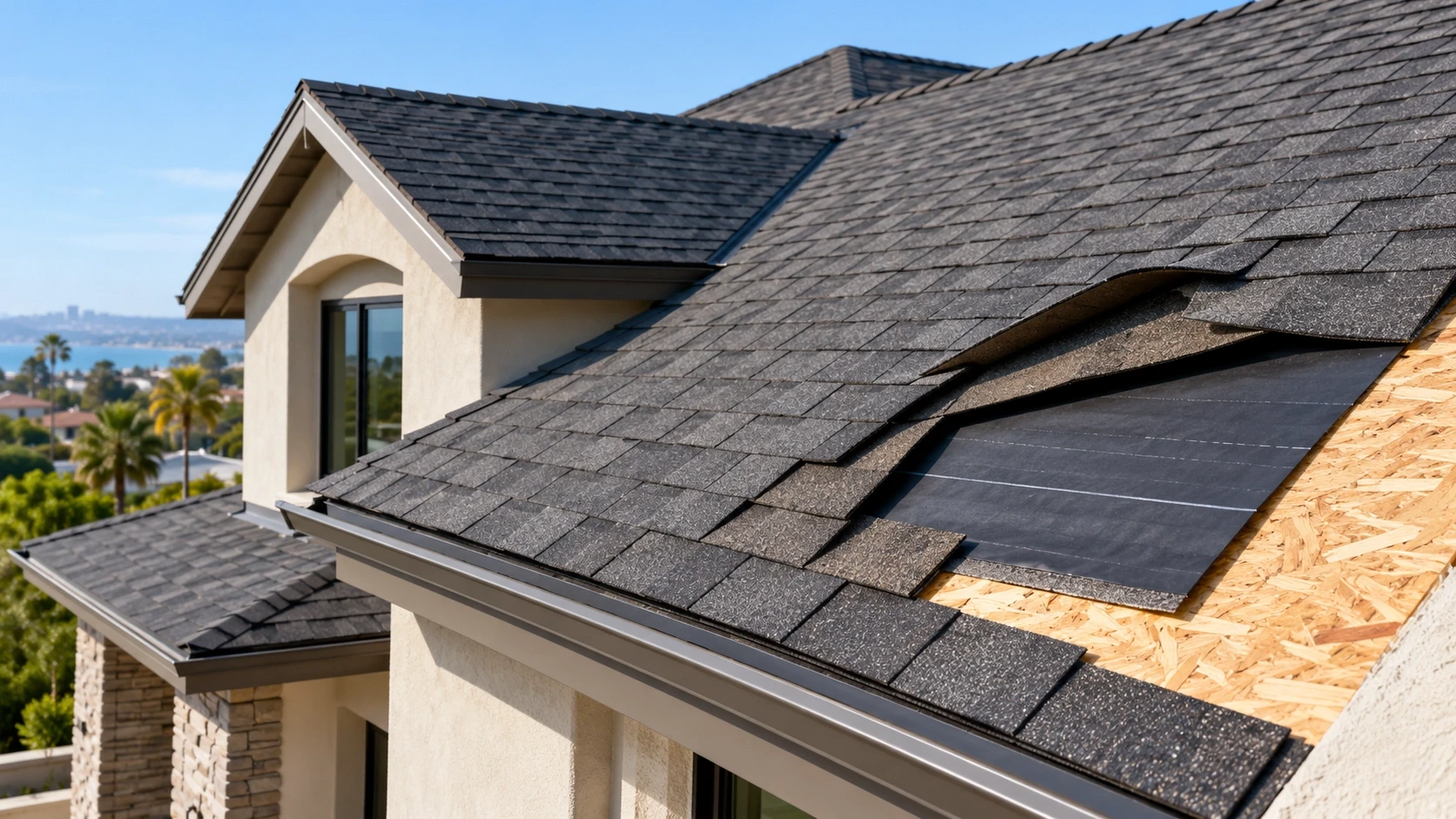
The best roof underlayment depends on your roofing material, roof slope, budget, and exposure to moisture. Synthetic underlayment works well for many roofing systems, while self-adhered membranes provide extra protection in vulnerable areas. Asphalt-saturated felt is another option for suitable roofs.
Roof underlayment is installed beneath shingles, tiles, or metal panels. It helps protect the roof deck when water gets past the outer roofing material. Choosing the right product and installing it correctly can reduce the risk of leaks, wood rot, and costly repairs.
What Is Roof Underlayment and Why Does It Matter?
Roof underlayment is a protective layer installed between the roof deck and the visible roofing material. It provides secondary protection against moisture.
Although shingles, tiles, and metal panels shed most rainwater, water can sometimes get underneath them because of wind, damaged materials, or installation problems.
Underlayment cannot prevent every leak. Proper flashing, drainage, and installation are also essential.
Types of Roof Underlayment and Their Differences
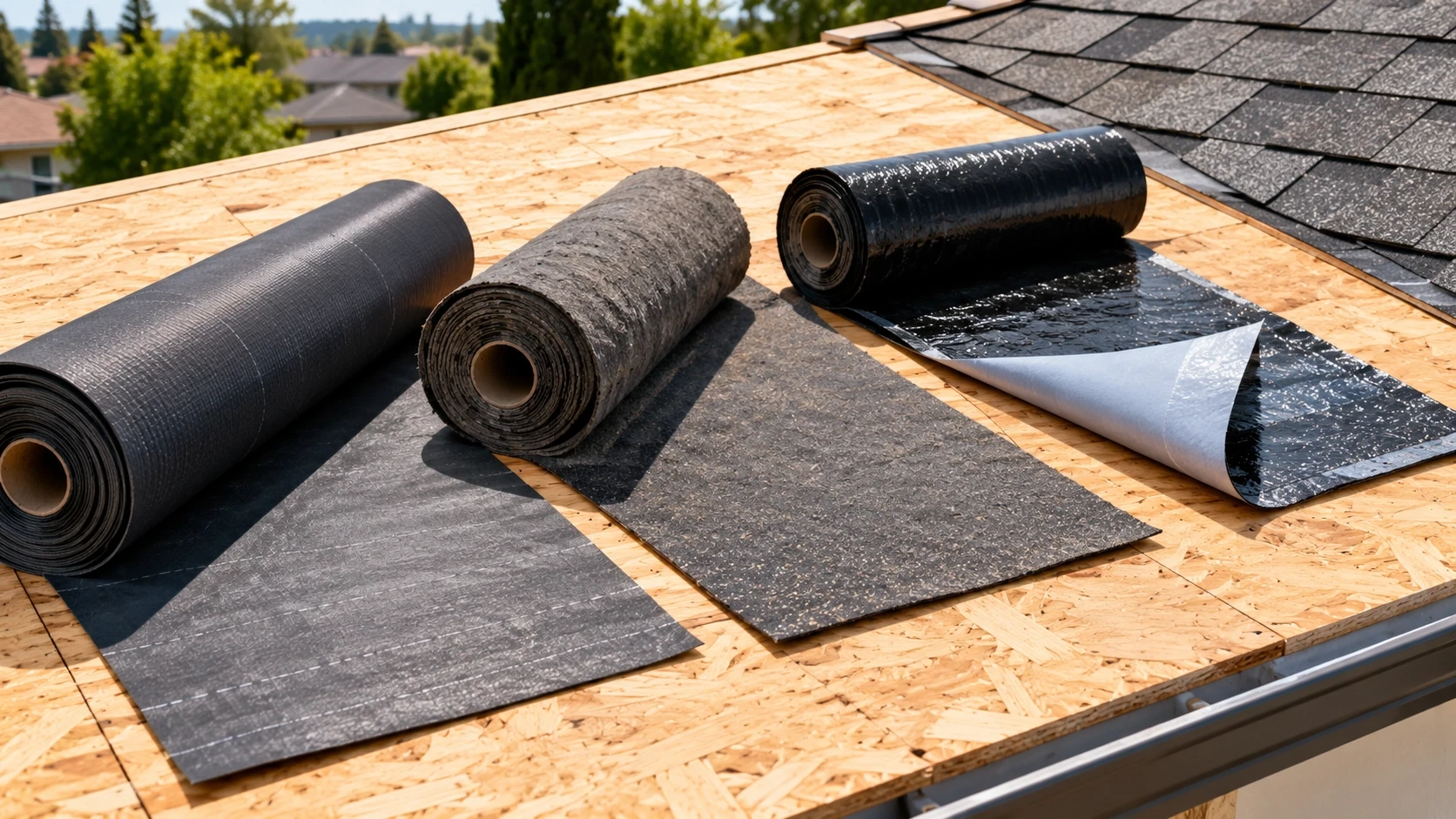
The three common roof underlayment types are asphalt-saturated felt, synthetic underlayment, and self-adhered membranes. Each has different benefits and installation requirements.
Asphalt-Saturated Felt Underlayment
Asphalt-saturated felt is a traditional roofing material made from a felt base treated with asphalt. It is available in different weights, including 15-pound and 30-pound products.
Advantages:
- Often costs less than some synthetic options.
- Works with certain approved roofing systems.
- Familiar to many roofing contractors.
Limitations:
- Can tear or wrinkle during installation.
- May be less durable than some synthetic products.
- Requires proper protection from prolonged moisture exposure.
Felt can be suitable for some projects, but always check the roofing manufacturer's requirements before choosing it.
Synthetic Roof Underlayment
Synthetic roof underlayment is made from engineered materials designed for roofing applications. It is generally lightweight and offers good resistance to tearing.
Common benefits include:
- Easier handling during installation.
- Good tear resistance.
- Options for different roof slopes and roofing materials.
- Better handling durability than many traditional felt products.
However, not every synthetic underlayment offers the same level of water resistance. Check the product specifications and approved uses before making a decision.
Self-Adhered Waterproof Underlayment
Self-adhered underlayment has an adhesive backing that bonds to an approved surface. It can provide additional protection in areas where water intrusion is a concern.
Common applications include roof valleys, eaves, and areas around roof penetrations, depending on the roofing system and local requirements.
These membranes can cost more than standard felt and require proper surface preparation. The product must also be compatible with the roof materials and installation conditions.
How to Choose the Best Roof Underlayment for Your Home
Choosing the best roof underlayment means matching the product to your roof, local conditions, and budget. Consider these five factors before making a decision.
Consider Your Roofing Material
Different roofing materials require different underlayment systems.
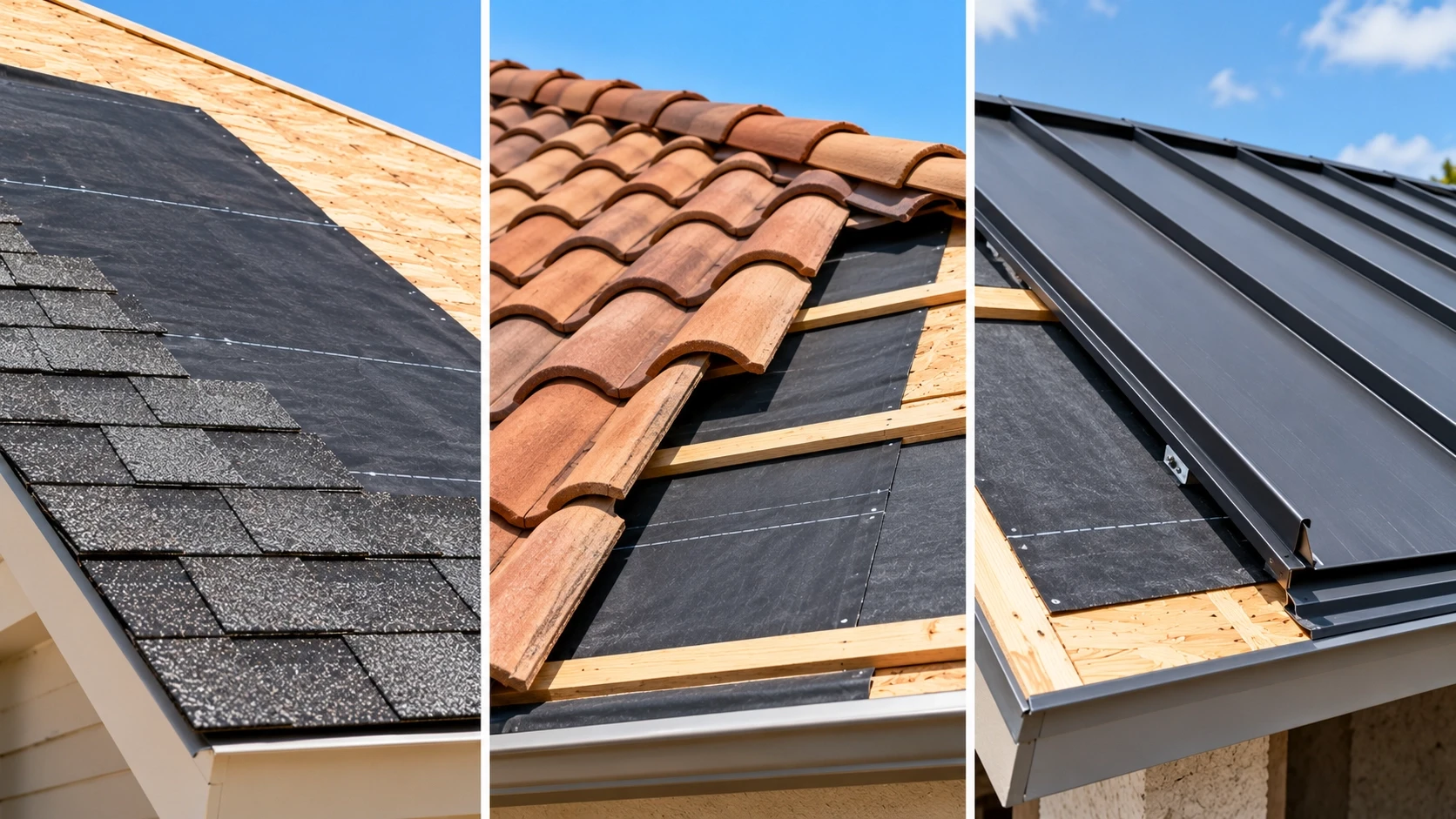
- Asphalt shingles: Often use approved felt or synthetic underlayment.
- Tile roofs: Need underlayment designed for the tile system and roof slope.
- Metal roofs: May require materials compatible with the panels and their temperature range.
Do not assume one product will work for every roof. Review the roofing manufacturer's installation instructions before selecting underlayment.
Evaluate Water Resistance and Leak Protection
Choose underlayment based on how much moisture protection your roof needs. Roof valleys, eaves, and areas around chimneys or vents deserve particular attention.
Compare product specifications, water-resistance features, and seam requirements. Some products are intended for general secondary protection, while others provide stronger protection in specific areas.
Remember that underlayment cannot compensate for damaged flashing or poor drainage.
Account for San Diego's Climate and Weather
San Diego's weather varies by location. Coastal homes may experience marine moisture, while inland properties can face stronger sun exposure and different temperature conditions.
Choose a product suitable for your home's exposure. Also consider how long the underlayment may remain uncovered during construction, since each product has its own exposure limits.
A roofing professional can assess your roof's slope, location, and design to help identify a suitable option.
Compare Durability, Lifespan, and Cost
The cheapest underlayment is not always the most cost-effective choice. Material price, labor, installation requirements, and expected durability all affect the total project cost.
Before choosing a product, ask:
- How long can it remain exposed during installation?
- Is it compatible with your roofing material?
- What maintenance or installation requirements apply?
- Does the product have specific warranty conditions?
Compare products based on their intended use rather than price alone.
Check Roof Slope and Installation Requirements
Roof slope affects drainage and determines which underlayment systems are suitable. Low-slope areas may require specialized waterproofing, while steep-slope roofs follow different installation requirements.
The installer should check required overlaps, fasteners, seam treatments, and flashing details. Local building codes and manufacturer instructions should guide the final installation.
Which Roof Underlayment Is Best for Different Roofing Materials?
The best choice depends on the roofing material and the requirements of the complete roof system.
Underlayment for Asphalt Shingle Roofs
Asphalt shingle roofs commonly use approved felt or synthetic underlayment. Synthetic products can offer better tear resistance and easier handling, while felt remains suitable for certain applications.
Self-adhered membranes may be required in vulnerable areas, depending on the roof design and applicable code.
Underlayment for Tile Roofs
Clay and concrete tiles shed rainwater, but wind-driven rain can still pass beneath them. Underlayment helps protect the roof deck from this moisture.
Choose a product designed for the tile system, roof slope, and expected exposure. Proper installation is especially important because tiles can remain in place even when the underlayment beneath them begins to deteriorate.
Learn more about the differences between clay and concrete tile roofing when comparing roofing options for your home.
Underlayment for Metal Roofs
Metal roofs need underlayment compatible with the panels, roof deck, and expected temperatures.
Some systems require high-temperature underlayment or specific separation layers. The correct choice depends on the panel manufacturer's instructions and the roof's design.
Avoid using a product simply because it works under another roofing material. Compatibility matters.
Common Roof Underlayment Problems and Installation Mistakes
Even good underlayment can fail when the wrong product is selected or installation is done incorrectly.
Common mistakes include:
- Incorrect material: The product is unsuitable for the roofing system.
- Poor seam overlap: Gaps allow water to reach the roof deck.
- Improper fastening: Incorrect fasteners can damage the membrane.
- Poor flashing: Water enters around vents, chimneys, or valleys.
- Excessive exposure: The membrane remains uncovered longer than permitted.
- Trapped moisture: Poor roof design or ventilation allows moisture to build up.
Water stains on ceilings, damp attic insulation, and damaged roof decking may indicate a moisture problem. However, these signs do not always mean the underlayment is the cause.
When Should You Replace Roof Underlayment?
Roof underlayment may need replacement when it deteriorates, becomes damaged, or no longer protects the roof deck effectively.
Possible warning signs include:
- Recurring roof leaks.
- Moisture stains in the attic.
- Damaged or rotting roof decking.
- Deteriorated underlayment discovered during roofing work.
These signs can also result from damaged shingles, faulty flashing, or condensation. An inspection is necessary to determine the actual cause.
Underlayment is usually beneath the visible roof covering, so accessing it often requires removing shingles, tiles, or metal panels. For this reason, replacement is frequently considered during a larger roofing project.
Conclusion
The best roof underlayment depends on your roofing material, roof slope, moisture exposure, and budget. Synthetic underlayment suits many roofing systems, felt works for certain applications, and self-adhered membranes provide added protection in vulnerable areas.
The product matters, but correct installation matters just as much. Proper flashing, drainage, and regular inspections help protect your roof from moisture damage.
If you suspect underlayment damage, addressing the problem early can help limit further moisture exposure. You can contact Lumina Builders to discuss your roofing project and inspection needs.